Computational object design
Computational Jewellery
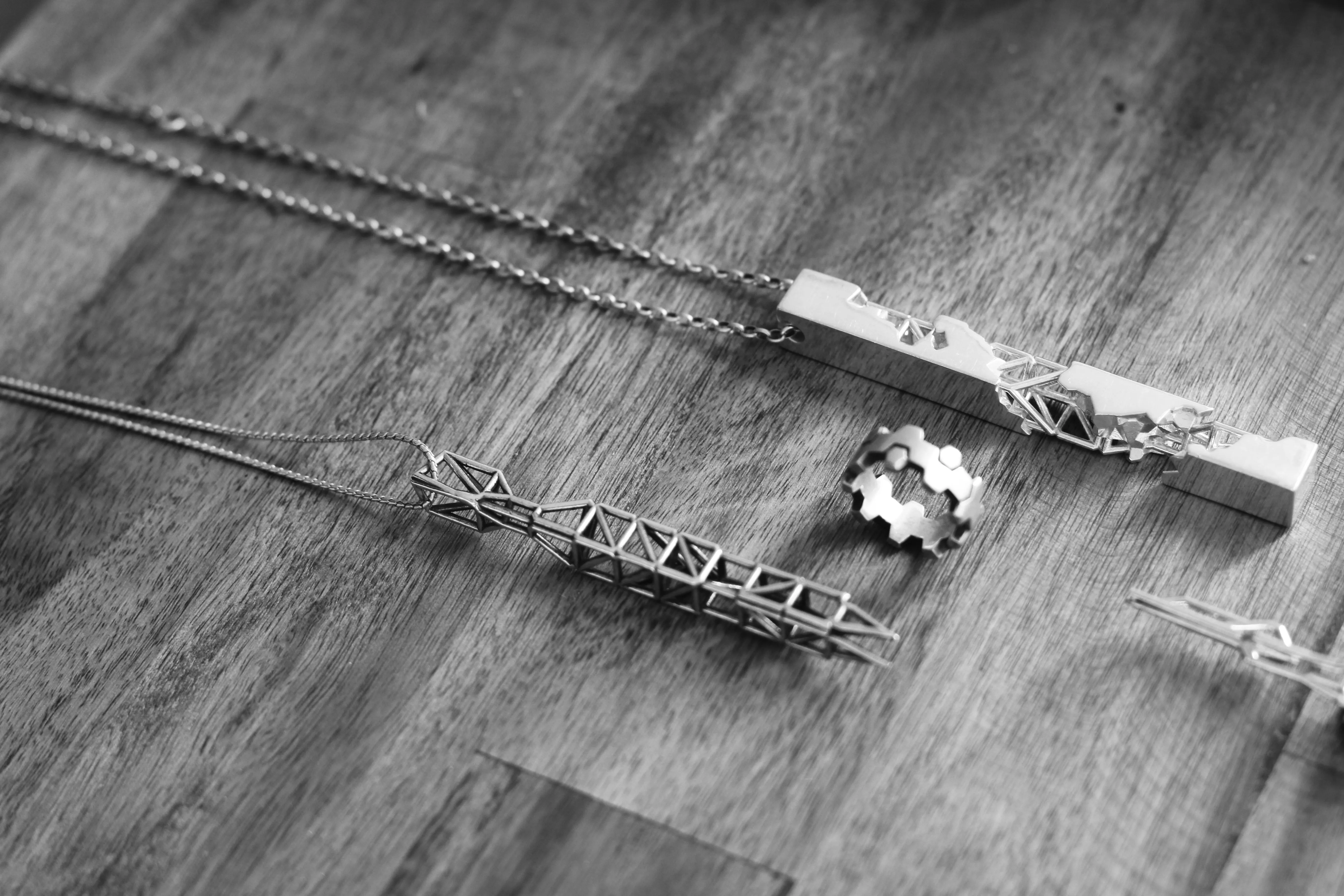
A family of architectural jewellery developed through parametric geometry, 3D-printed patterns and metal casting.
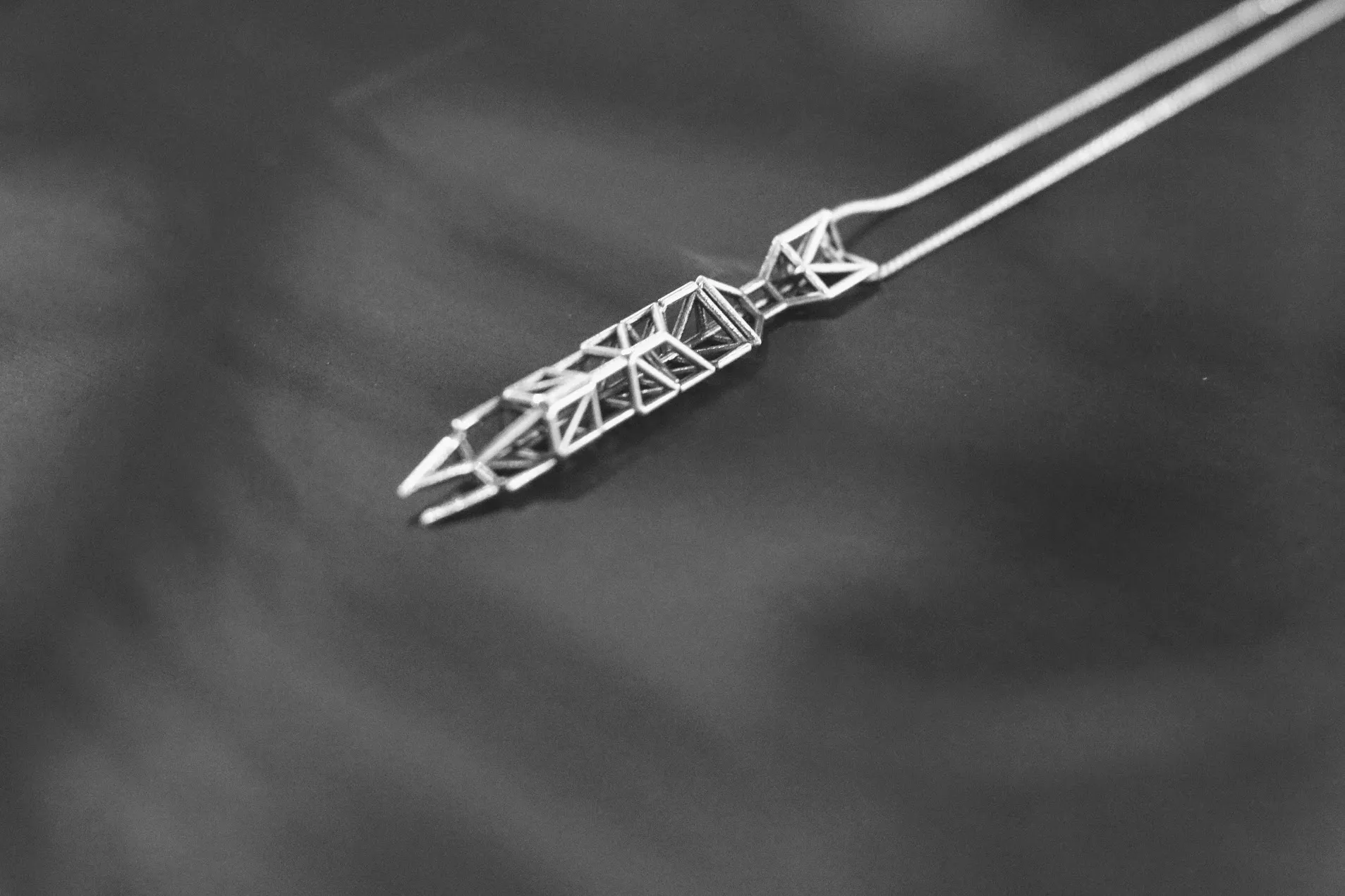
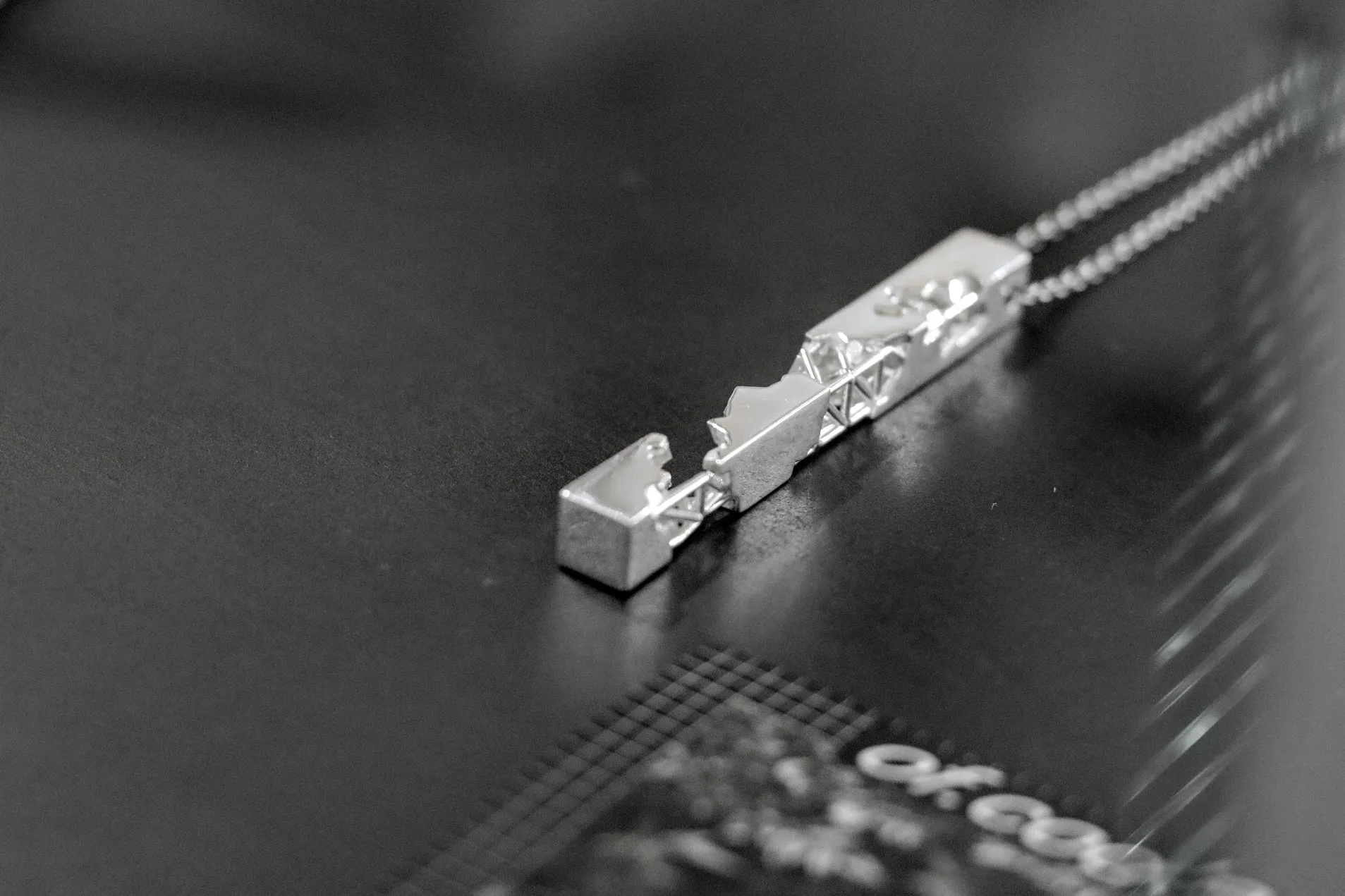
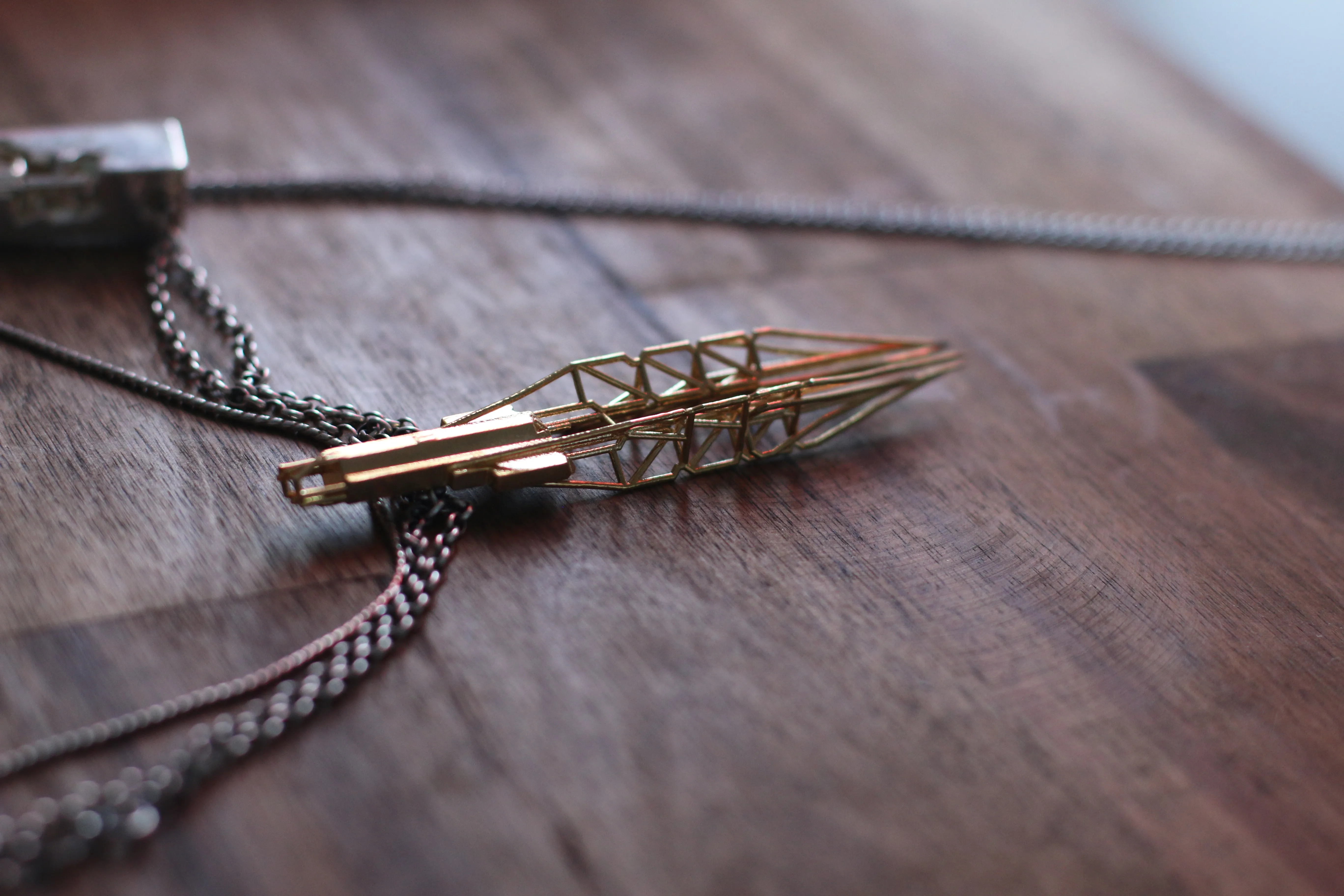
The jewellery family brings solid and lattice geometries into a common material language.
Project record
Project
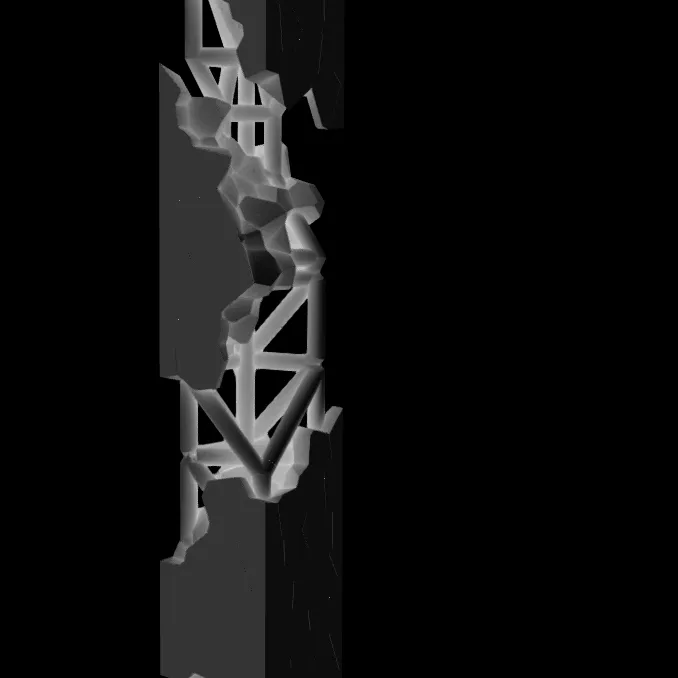
This series brings computational design to the scale of an object worn on the body. I developed the forms in Rhino and Grasshopper, using parametric relationships to control their geometry and produce related variations.
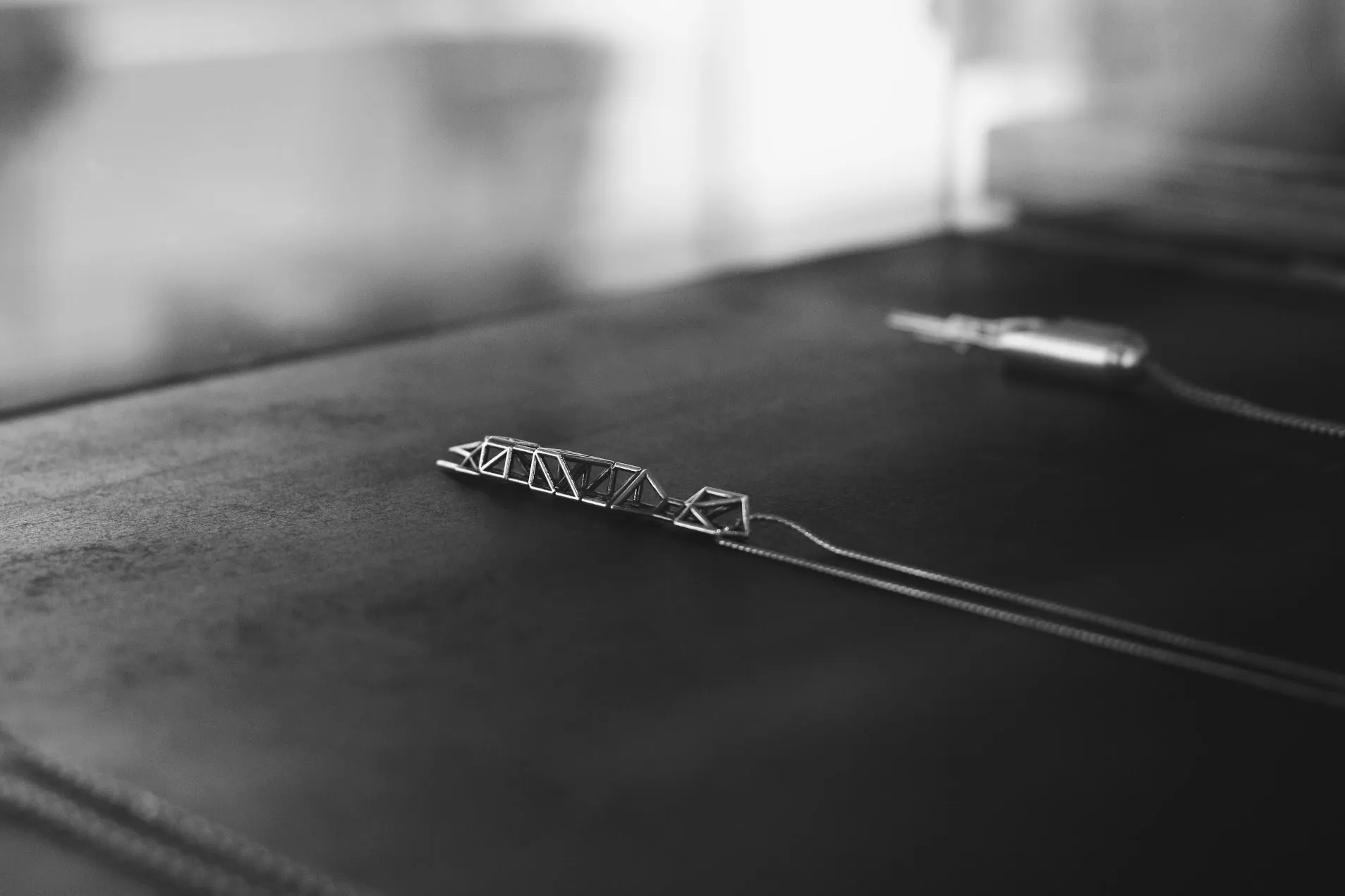
The digital designs were translated into 3D-printed patterns and then cast in metal, most of them in silver. Moving from model to finished object required the geometry to work at a very small scale, where wall thickness, joins, openings and surface finish all have material consequences.
The pieces extend an architectural way of thinking through structure, proportion, iteration and fabrication. The result is not simply a rendered form, but a precisely modelled system carried into a durable physical object.
Process
- Computational concept development
- Parametric modelling and variation
- Preparation for 3D printing
- Translation into cast metal
Selected views